It’s highly likely that you’re aware that deep breathing can help calm anxiety. But have you ever asked yourself why this simple breath movement can be so effective? It’s all to do with the miraculous connection between your breath and your nervous system.
Introducing your Autonomic Nervous System
You’ll be delighted to learn you are blessed with an in-built nervous system that has been designed to look after you – which is called the Autonomic Nervous System.
This unconscious system has two modes: the sympathetic nervous system (your “fight or flight” response) and the parasympathetic nervous system (your “rest and digest” mode).
When you’re feeling anxious, your sympathetic nervous system takes over. Your heart begins to race, the breathing becomes rapid and shallow, stress hormones like cortisol and adrenaline flood your body – and muscles start to tense. This is your body’s ancient survival mechanism, preparing you to face danger, to react quickly and run (from, for example, a tiger or a car bearing down on you).
But there’s a problem here. Your brain just can’t determine what is a genuine threat to your life and what is more likely to be a modern day stressor – like a work deadline or a crowded social event. It triggers the same alarm response in either case. And that’s the issue for us.
How Deep Breathing takes your foot off the pedal
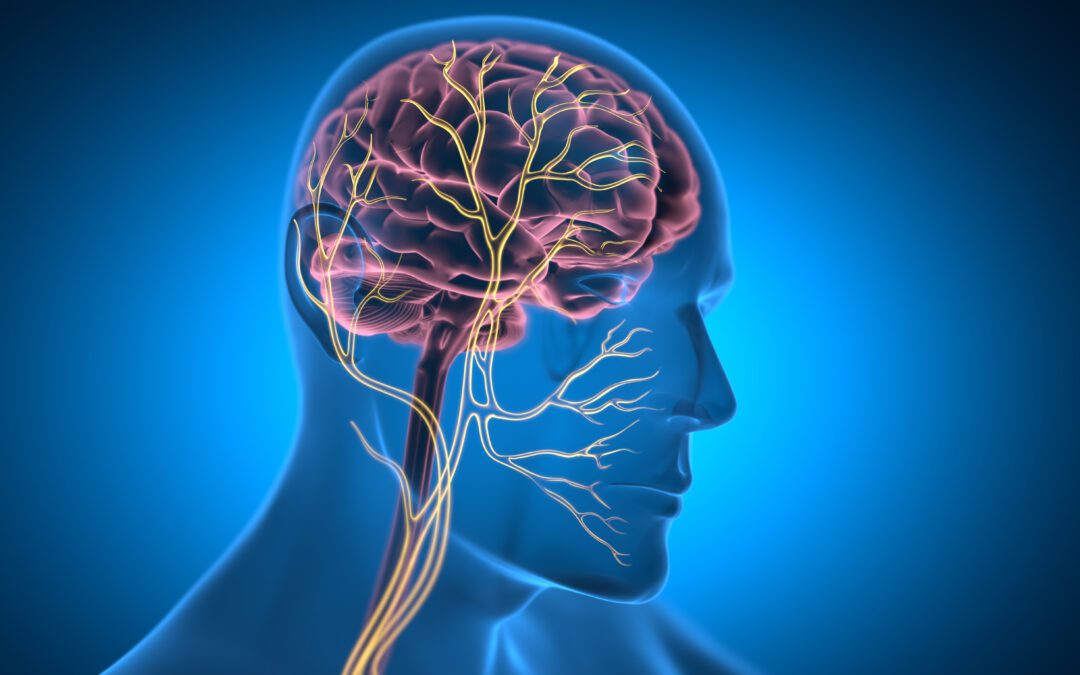
The good news is, there’s a ready-made solution. Yes, take a breath. The moment you deliberately deepen and slooooow your breath, you’re immediately communicating with your nervous system through a mysterious nerve called the ‘vagus nerve’, its purpose only fairly recently understood.
It seems the vagus nerve acts a bit like an information superhighway running from your brain to your lungs, heart and digestive system. When you take slow, deep breaths, most particularly focusing on long exhales, you are stimulating this nerve. It sends a comforting message to your brain: “We’re safe. All is OK.”
By activating the parasympathetic nervous system like this you trigger a pleasant cascade of calming effects throughout your body. Your heart rate slows, blood pressure goes down, muscles soften and the production of stress hormones reduces. So you don’t just feel calmer – you experience a measurable physiological shift.
The Carbon Dioxide Connection
But it doesn’t stop there. What about your carbon dioxide levels? When you’re feeling anxious your breath speeds up and gets shallow – which actually expels too much carbon dioxide from your blood. A chemical imbalance develops which can intensify anxiety symptoms which can lead to dizziness, tingling, and severe panic.
Deep, deliberate breathing helps restore an improved balance of carbon dioxide and oxygen in your bloodstream. This physiological correcting directly reduces those uncomfortable physical sensations that feed that terrorising anxiety cycle.
How Deep Breathing affects Brain Waves
There’s even more good news. Research using brain imaging technology has revealed something truly surprising: when you practise deep breathing your brain wave patterns change. If you can practice regularly your brain begins shifting toward alpha and theta waves—the frequencies associated with meditation and relaxation.
Studies have also shown that consistent breathwork can reduce activity in the amygdala, the area of your brain associated with fear – while increasing activity in the prefrontal cortex, the area responsible for emotional regulation and rational thinking. Keep this training up and you’ll find your brain and your whole system will respond more calmly to stress.
The Heart-Brain Connection
Your heart and brain are in constant communication and can be measured through ‘heart rate variability (HRV)’. High HRV indicates a flexible, resilient nervous system that can adapt well to stress. Low HRV corresponds with chronic stress, anxiety and depression.
Keep up the deep breathing exercises and you will increase your HRV, teaching your nervous system to be more adaptable and resilient. This will not only help manage anxiety in the moment, it will build long-term stress resilience.
Why It Works So Quickly
Unlike medication, which takes time to travel round your bloodstream, or therapy techniques that you need practice to master, deep breathing works within seconds because you’re directly activating your autonomic nervous system. It’s the fastest route to physiological calm available to you.
The great thing about understanding this science is knowing that when you practise deep breathing, you’re not just “trying to relax”—you’re engaging a powerful, evidence-based biological mechanism that your body seems designed to respond to.
Now You Can put the Science into Practice
Now that you understand the “why,” you might want to explore the “how.” Specific tools that’s I’ve explained in another blog like 4-7-8 breathing, box breathing and diaphragmatic breathing all harness these scientific principles in slightly different ways.
All it takes is consistent practice. It’s a bit like when you try and build muscle, one gym session isn’t going to be enough. Likewise, with your nervous system, regular breathwork practice will help it become more responsive – so, over time, just five minutes a day can rewire your stress response.
Your breath is naturally always with you, keeping you alive, and it’s the most accessible anxiety management tool you possess.
Help from DOCwellness
For one-to-one help on practising deep breathing exercises for anxiety, sleep and relaxation, Contact us today or call 07778 613268 if you would like to discuss things more.