
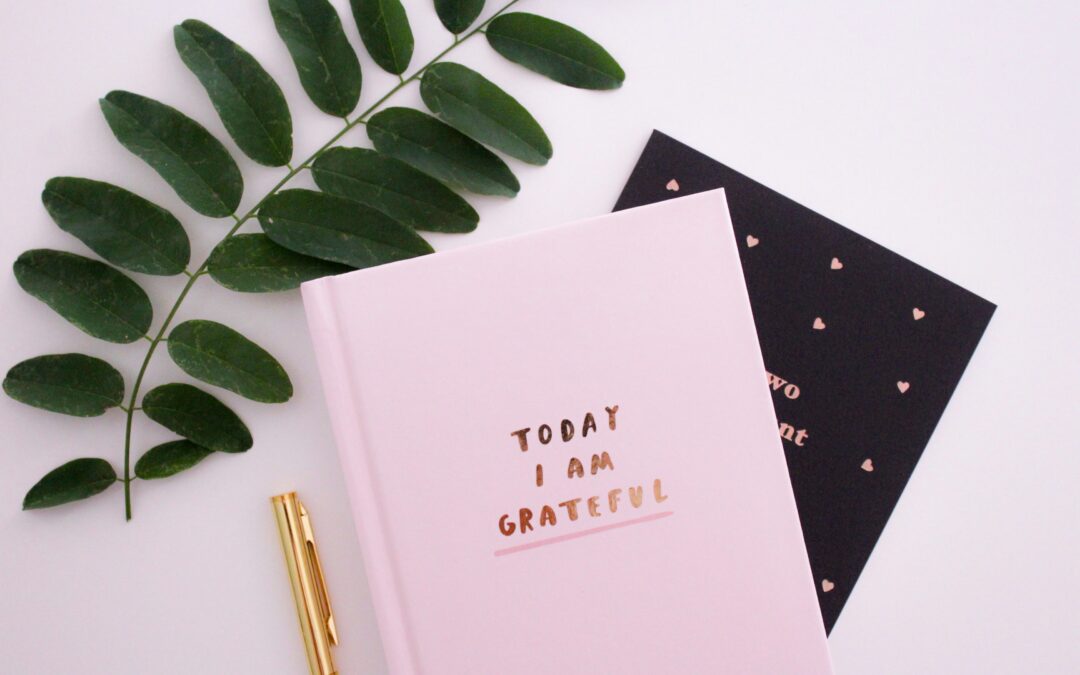
When it comes to mental health issues we’re living through unprecedented times. Anxiety, depression, and burnout have reached levels unseen in modern surveys, affecting workplaces, schools, and homes across the country. For many people, these struggles feel overwhelming and relentless.
Yet the solution to some of this distress might be simpler than we think.
When we pause to acknowledge what’s going well in our lives, something remarkable happens in our brains. The practice of gratitude isn’t just about good manners or positive thinking—it’s a scientifically proven tool that can fundamentally change how we experience life. When used with forgiveness it can be incredibly healing and transformative, as the evidence in this video demonstrates. I often make a point of integrating Gratitude and Forgiveness into my sessional work and homework with anxious or depressed clients.
The Modern Mental Health Crisis
Social media bombards our minds with images that trigger envy and self-doubt, keeping our nervous systems in a chronic state of stress. We’re constantly comparing ourselves to others, scrolling through curated highlight reels that make our own lives feel inadequate.
This perpetual state of comparison keeps our brains locked in stress mode, activating the worry circuits while dampening our ability to experience reward and satisfaction.
In this environment of constant comparison and distraction, gratitude offers a powerful antidote.
When we deliberately shift our attention from what’s going wrong to what’s going right, we quiet the emotional centres of the brain and strengthen areas responsible for judgment and decision-making.
What the Science Says about Practising Gratitude
Research has found that people who regularly express thankfulness are physically healthier, more optimistic, and better at achieving their goals. But the benefits extend far beyond achievement.
People who maintain a gratitude practice sleep better, experience less stress, and enjoy deeper, more meaningful relationships.
This isn’t because they’re naturally more cheerful or because their lives are easier. It’s because they’ve cultivated a mindset of appreciation that fundamentally changes how their brains process information and respond to challenges.
Gratitude works by shifting our focus from scarcity to abundance, from what’s missing to what’s meaningful. Even during difficult times, there’s usually something we can appreciate—and that acknowledgment creates measurable changes in our mental and physical state.
How Practising Gratitude Rewires Your Brain
Brain imaging studies reveal something fascinating about habitual gratitude practitioners. Their brain’s reward centres light up more readily, while threat detection areas become less reactive.
Over time, consistent gratitude practice literally rewires neural pathways, making it easier to notice positive experiences and harder to get stuck in negative thought patterns.
Living from a posture of thankfulness improves sleep, stabilizes emotions, sharpens memory, and can even add years to your life. This isn’t wishful thinking—it’s neuroscience. When we actively appreciate what we have, our brains become calmer, clearer, and more resilient. Practising Gratitude alongside these special breathing exercises, can improve your calmness and positivity even more.
Breaking the Stress Cycle
Many of us operate on autopilot, caught in patterns that feed anxiety rather than wellness. We sleep less than we need, eat hurriedly, and scroll through our phones when our minds are already exhausted. These habits keep us trapped in a threat response pattern instead of allowing our brains to shift into a more balanced, thankful state.
To shift that requires intention and repetition. Making gratitude a nightly ritual—taking just a few minutes to recount things you’re thankful for—can anchor healthier brain patterns over a period of time.
The Gratitude Gap
We live in a culture that encourages us to fill emptiness through consumption and distraction.
We doom-scroll, shop impulsively, or constantly seek the next thing that will make us happy. Yet none of these behaviours provide the lasting satisfaction that gratitude does.
When we take time to notice the blessings in our lives, or serve others who have less, our perspective shifts. Suddenly, we’re able to see abundance where we previously saw lack. This shift in perspective is transformative for mental health.
Making Practising Gratitude a Daily Practice
Like any worthwhile habit, gratitude doesn’t develop overnight. It requires conscious cultivation, one intentional practice at a time.
Here are some practical ways to build gratitude into your life:
- Evening Reflection: Before bed, mentally list three specific things you’re grateful for from that day. Be detailed—instead of “my family,” try “the way my partner made me laugh at dinner” or “my child’s excitement showing me their artwork.”
- Digital Detox: Unplug for a few hours to rest and reset your nervous system. This creates space for appreciation rather than comparison.
- Gratitude Journaling: Write down what went right in your day. Focus on small moments that brought you comfort, connection, or joy.
- Express Appreciation: Tell someone you appreciate them. Verbalising gratitude strengthens relationships and amplifies the positive effects for both people.
- Notice Your Senses: Notice the sun, or the breath in your lungs. Simple sensory experiences offer countless opportunities for appreciation.
Beyond Seasonal Celebration
You don’t need a holiday to be thankful. While occasions like Thanksgiving in the US remind people to express gratitude, the real power comes from making it a daily practice—a lifestyle rather than a once-yearly ritual.
The beauty of gratitude is that it’s always accessible. You don’t need special equipment, expensive programs, or even a lot of time. You simply need the willingness to notice and acknowledge the good that already exists in your life.
Starting Today
If you’re struggling with anxiety, depression, or chronic stress, gratitude won’t solve everything overnight. But it can be a powerful starting point—a way to gently redirect your attention and begin rewiring long-standing patterns.
Begin small. Tonight, before you sleep, think of one genuine thing you’re grateful for. Tomorrow, try two. Build the practice gradually, allowing it to become as natural as breathing.
Your mental health deserves this investment. Gratitude doesn’t just make you feel better, it makes your brain work better. In a world that constantly pulls your attention toward what’s lacking, choosing to notice what’s present is a quiet act of revolution—one that can transform your mental wellbeing from the inside out.
For more of these type of nuggets, seek out my book ‘Unlocking my Greatest Self’ – 50 secrets to becoming calm, confident and fulfilled. It’s available on Amazon.
Help from DOCwellness
For one-to-one help on practising, gratitude, deep breathing exercises for anxiety, sleep and relaxation, Contact us today or call 07778 613268 if you would like to discuss things more.